
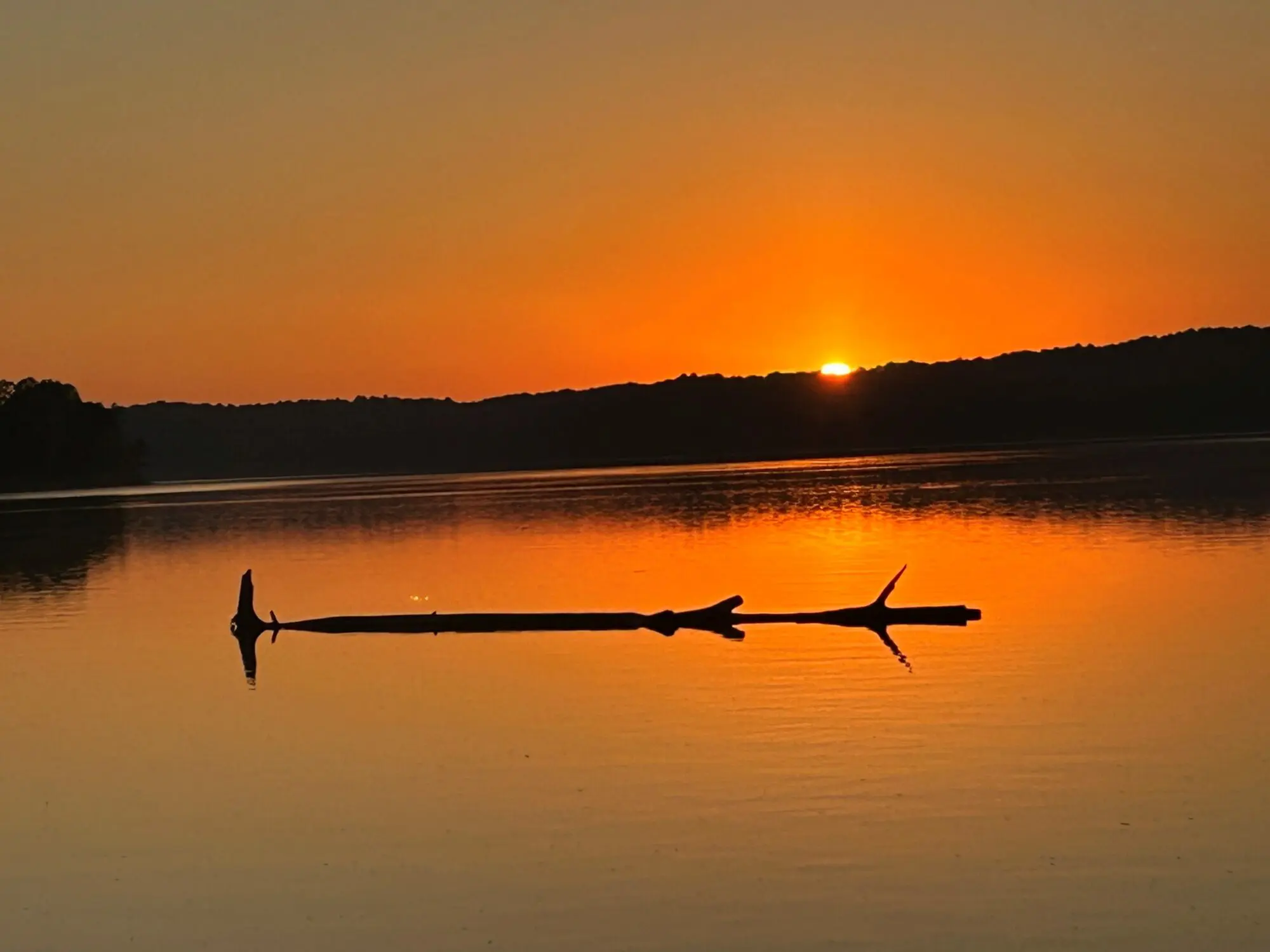
Every spring, boaters across America’s inland waterways look forward to the start of another cruising season. Melting snow, seasonal rains, and increased river flows bring waterways back to life, but they also create some of the most challenging and hazardous conditions of the year.
Whether navigating the Mississippi River system, the Tennessee-Tombigbee Waterway, the Illinois River, the Ohio River, the Erie Canal, the Oswego Canal, or sections of the Great Loop, high-water conditions demand extra caution, patience, and experience.
At Capable Captain, our professional yacht delivery crews routinely operate vessels throughout the nation’s rivers, canals, and inland waterways. We have seen firsthand how spring high water can transform a routine passage into a complex navigation challenge.
Stronger Currents Create Immediate Challenges
One of the most noticeable effects of spring runoff is the dramatic increase in current speed.
Rivers that normally flow at a comfortable pace can suddenly develop powerful currents capable of significantly affecting vessel handling. Docking, lock approaches, bridge transits, and fuel stops become more difficult as captains must constantly compensate for the stronger flow.
In some areas, current speeds may double or even triple from normal conditions. A maneuver that would ordinarily be straightforward can quickly become challenging when a vessel is pushed sideways by current or swept downstream during an approach.
The result is:
- Longer transit times
- Increased fuel consumption
- Greater workload for the captain and crew
- Increased stress during close-quarters maneuvering
Debris: The Greatest Hidden Hazard
While strong currents are obvious, floating debris is often the most dangerous consequence of spring high water.
As rivers rise, they inundate shorelines, floodplains, forests, and riverbanks. Trees, branches, logs, brush, docks, fencing, and countless other objects are pulled into the water and carried downstream.
Many boaters underestimate how much debris enters the waterways during these periods.
Common hazards include:
- Entire trees
- Large submerged logs
- Floating branches
- Root balls
- Brush piles
- Construction debris
- Dock sections
- Plastic and household waste
- Vegetation mats
Much of this debris floats partially submerged, making it difficult to detect until it is dangerously close.
At cruising speeds, even a relatively small log can cause significant damage when struck.
Lock Approaches Become More Difficult
Locks throughout the inland waterway system frequently collect debris during high-water periods.
The circulating currents near lock entrances naturally funnel floating material toward the lock structures. As a result, large accumulations of logs, branches, weeds, and brush can develop around:
- Lock approach walls
- Guide walls
- Floating bollards
- Mooring cables
- Lock gates
- Waiting areas
This debris creates additional hazards for boaters attempting to enter or exit locks.
Captains may find themselves maneuvering through floating logs while simultaneously dealing with cross currents, turbulence, and commercial traffic. Lock personnel work diligently to manage debris, but during peak runoff periods, accumulation can occur faster than it can be removed.
For recreational boaters unfamiliar with these conditions, lock transits can become considerably more challenging.
Risks to Propellers, Shafts, and Running Gear
One of the most expensive consequences of spring debris is damage to underwater equipment.
Floating objects can impact:
- Propellers
- Propeller shafts
- Struts
- Rudders
- Trim tabs
- Stabilizers
- Running gear
Even a modest impact can bend a propeller blade or damage a shaft.
A bent propeller may cause vibration severe enough to require immediate repair. A damaged shaft can lead to costly haul-outs, alignment work, and replacement parts.
The repair costs can quickly escalate into thousands of dollars, especially if the damage occurs far from a suitable repair facility.
Special Risks to Bow and Stern Thrusters
Bow thrusters and stern thrusters are particularly vulnerable during spring high-water conditions.
Floating weeds, branches, ropes, and debris can become entangled in thruster tunnels or around propeller units.
Potential consequences include:
- Reduced thruster performance
- Electrical overloads
- Damaged thruster propellers
- Motor failures
- Complete loss of thruster capability
This is especially problematic when maneuvering in locks, marinas, or tight docking situations where thrusters are often most needed.
Professional captains frequently limit unnecessary thruster use when operating in debris-heavy waters to reduce the risk of damage.
Navigation Becomes Slower and More Demanding
During high-water conditions, prudent captains often reduce speed significantly.
Lower speeds allow more time to:
- Spot floating hazards
- Avoid submerged debris
- React to changing currents
- Protect running gear
While slower speeds improve safety, they also increase travel time.
A passage that normally requires one day may stretch into two. Long-distance cruises can require additional fuel stops, overnight accommodations, and schedule adjustments.
For yacht owners moving vessels long distances, these delays can increase operating costs substantially.
Reduced Visibility of Hazards
One of the most frustrating aspects of spring debris is that many hazards are nearly invisible.
Water levels are often higher and more turbid during runoff periods. Mud, sediment, and organic matter reduce visibility and conceal submerged objects.
A log may be floating just inches below the surface, with only a small portion visible.
By the time the object is spotted, avoidance may be impossible.
This is one reason experienced captains maintain heightened vigilance and assign dedicated lookouts whenever practical during debris-heavy transits.
Professional Planning Makes a Difference
Successful spring navigation requires more than simply monitoring weather forecasts.
Captains should also consider:
- River stage reports
- Water discharge rates
- Lock notices and restrictions
- Debris advisories
- Current forecasts
- Alternate routes
- Additional transit time
Flexibility is often essential. Conditions can change rapidly as snowmelt and rainfall move through a watershed.
Experience Matters
Spring high water is a normal part of life on America’s inland waterways, but it should never be underestimated.
Stronger currents, floating debris, lock accumulations, and hidden underwater hazards create conditions that can challenge even experienced boaters. Damage to propellers, shafts, bow thrusters, and other running gear can quickly turn a voyage into an expensive repair project.
At Capable Captain, our crews routinely navigate the rivers, canals, and waterways that make up America’s inland cruising routes and the Great Loop. Understanding seasonal water conditions, recognizing hazards early, and adjusting navigation strategies accordingly are essential skills that help protect both vessel and crew.
If you are planning a vessel relocation, delivery, or extended cruise through the inland waterways during spring runoff season, professional experience can make the journey safer, more efficient, and less stressful.
Capable Captain LLC
Professional Sail and Power Yacht Deliveries
www.CapableCaptain.com